Featured
The Basic Principles Of Legal Factors in Debt Forgiveness
Some Known Factual Statements About First Assessment with...

Getting My Ways When Should You Give Your Child a Debit Card? The Complete Parent's Guide to Teaching Financial Responsibility : APFSC Protects What You've Built To Work
Table of Contents
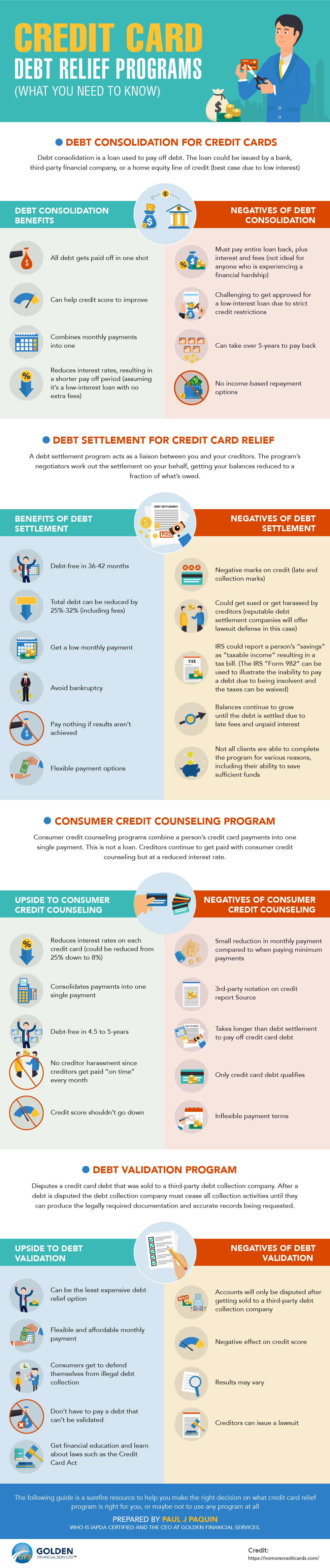
That maximizes cash in the short term, and you may have 3 to four years to conserve toward the settlement amount. Very unsafe to credit report, mainly as a result of missed settlements and an adverse "worked out" mark that might stay on your debt record for as much as 7 yearsMay be only choice if other choices (financial obligation consolidation, equilibrium transfer bank card, financial obligation forgiveness) aren't possibleTypically needs a fee to the 3rd party, which could balance out some or all of the cost savings from financial debt settlementMay assist you avoid insolvency if you have actually missed numerous paymentsNot all financial institutions deal with financial obligation negotiation companies Financial debt forgiveness might be right for you if you are experiencing a financial hardship that makes it almost difficult to pay down your debt equilibriums.
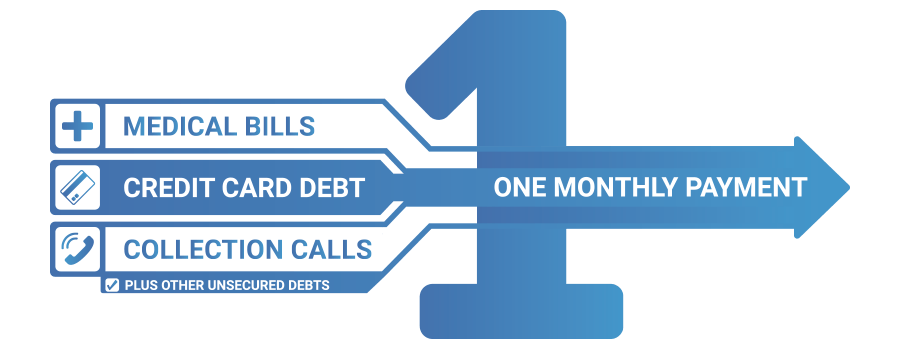
With a DMP, you make one regular monthly repayment to the credit scores counseling company. Those funds are after that dispersed to lenders of your unprotected financial obligations, such as bank card and installment loans. The company works with your financial institutions to lower rates of interest or forgo costs, but some lenders might reject such concessions.
It can help you pay down financial debt if you're able to protect a finance price that's lower than the typical price of the accounts you're settling. You should abstain from racking up financial debt on those recently gotten rid of accounts or your debt could grow even greater.

That offers you lots of time to remove or significantly reduce your balance while making interest-free repayments.
Excitement About Immediate Impact on When Should You Give Your Child a Debit Card? The Complete Parent's Guide to Teaching Financial Responsibility : APFSC Decisions
You may require it if your creditor or a collection company ever before attempts to accumulate on the debt in the future. When a loan provider forgives $600 or more, they are needed to send you Kind 1099-C.
Financial debt mercy or negotiation generally harms your debt. Anytime you settle a financial obligation for much less than you owe, it might look like "cleared up" on your credit report and influence your credit history for seven years from the date of settlement. Your credit scores can additionally drop significantly in the months bring about the mercy if you fall behind on payments.
The Best Guide To What's Next in Bankruptcy Counseling and Consumer Protections
This situation frequently results from underreporting revenue, not submitting returns on time, or disparities found throughout an Internal revenue service audit. The consequences of gathering tax debt are serious and can include tax liens, which offer the IRS a legal claim to your residential or commercial property as safety for the financial obligation.
Salaries and Bank Accounts IRS can levy (take) wages and bank accounts to satisfy the debt. Residential or commercial property Seizure In extreme situations, the IRS can take and sell property to cover the debt.
Social Preconception Dealing with legal activity from the IRS can bring social stigma. Work Opportunities An inadequate credit history score due to strain debt can restrict work chances. Federal government Benefits Tax obligation financial obligation might influence eligibility for federal government advantages, such as Social Safety And Security and Medicaid.
Comparing Debt Forgiveness Organizations in Today's Market for Beginners
The OIC considers several aspects, including the taxpayer's earnings, expenditures, property equity, and capability to pay. Efficiently negotiating an OIC can be complex, needing an extensive understanding of the internal revenue service's guidelines and a solid debate for why your deal aligns with your capacity to pay. It is necessary to note that not all applications are approved, and the procedure calls for thorough monetary disclosure.
The internal revenue service analyzes your general monetary situation, including your revenue, expenses, property equity, and capability to pay. You must additionally be present with all filing and settlement needs and not be in an open personal bankruptcy case. The internal revenue service additionally considers your compliance history, evaluating whether you have a document of timely filing and paying tax obligations in previous years.
Consumer Rights Under Federal Law Can Be Fun For Anyone
The application procedure for an Offer in Compromise entails numerous comprehensive steps. Initially, you have to complete and send internal revenue service Form 656, the Deal in Compromise application, and Kind 433-A (OIC), a collection details statement for people. These forms call for thorough monetary info, consisting of information regarding your earnings, financial obligations, expenditures, and assets.
Back taxes, which are unsettled taxes from previous years, can significantly enhance your total IRS financial obligation otherwise dealt with without delay. This debt can accrue interest and late payment penalties, making the original quantity owed much bigger in time. Failing to repay taxes can cause the internal revenue service taking enforcement activities, such as issuing a tax lien or levy against your residential or commercial property.
It is necessary to deal with back tax obligations as quickly as possible, either by paying the sum total owed or by organizing a payment plan with the internal revenue service. By taking positive steps, you can avoid the buildup of extra passion and fines, and protect against more aggressive collection activities by the internal revenue service.
One typical reason is the belief that the taxpayer can pay the complete amount either as a swelling amount or through a layaway plan. The internal revenue service additionally thinks about the taxpayer's income, expenses, property equity, and future earning potential. If these elements indicate that the taxpayer can afford to pay even more than the supplied quantity, the internal revenue service is likely to deny the deal.
The Ultimate Guide To The Pros to Consider of When Should You Give Your Child a Debit Card? The Complete Parent's Guide to Teaching Financial Responsibility : APFSC
It is essential to supply precise and full info in your application and to seek advice from a tax obligation expert to improve the chances of approval. Handling internal revenue service debt can be complicated and challenging. Tax specialists, such as Certified public accountants, tax attorneys, or enrolled representatives, can provide vital support. They have the expertise to navigate the details of tax legislation and IRS procedures.

Table of Contents
Latest Posts
The Basic Principles Of Legal Factors in Debt Forgiveness

The smart Trick of Compliance Factors in Debt Forgiveness That Nobody is Discussing
Some Known Factual Statements About First Assessment with APFSC
More
Latest Posts
The Basic Principles Of Legal Factors in Debt Forgiveness
The smart Trick of Compliance Factors in Debt Forgiveness That Nobody is Discussing
Some Known Factual Statements About First Assessment with APFSC